

Bright Wave Defense
Bright Wave Defense is a cheerful arcade game where players dodge and tag playful foes in colorful waves. Simple controls and rising challenge make it fun for all ages.
Reviews
About this game
Core Gameplay Loop
Bright Wave Defense places players in a vibrant arena where the only goal is to stay active as long as possible. Opponents appear in increasing numbers, each requiring a quick tap to neutralize. Movement is key—standing still invites trouble. The game rewards constant awareness and fast reactions, creating a rhythm of dodge and respond that feels satisfying to master.
Visual Style and Atmosphere
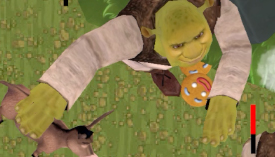
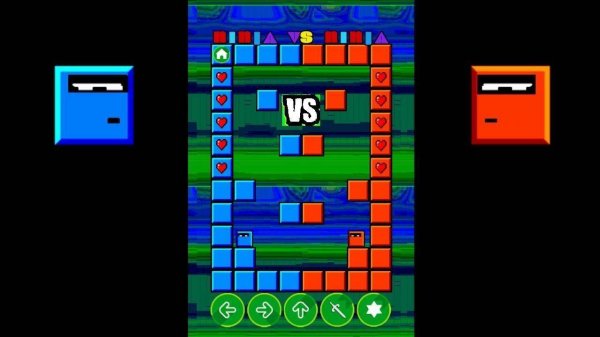
The game uses bright, cartoon-like visuals that keep the mood light even as the action intensifies. Characters are designed with round shapes and friendly expressions, ensuring nothing feels threatening. Backgrounds shift through soft color palettes, adding variety without distraction. This approach makes the experience accessible to younger players while still engaging for older ones.
Difficulty Progression
Rather than relying on levels or stages, Bright Wave Defense increases challenge by gradually speeding up opponent spawn rates and introducing new movement patterns. Early rounds feel relaxed, giving newcomers time to learn controls. Later waves demand sharper focus and better planning. This smooth curve helps players improve naturally without sudden frustration.
Control Scheme
Players control their character using simple mouse or touch inputs. Moving around the arena is done by dragging or pointing, while tapping an opponent tags it. The interface is minimal, with no complex menus or button combinations. This simplicity allows anyone to pick up the game within seconds, regardless of gaming experience.
Session Length and Replay Value
Each run in Bright Wave Defense lasts as long as the player can survive, typically ranging from a few minutes to over half an hour for skilled players. Because no two runs are identical due to random spawn patterns, replayability is high. The game suits both quick breaks and longer play sessions, adapting to the player's available time.
Strategic Approaches
Success depends on movement and timing. Staying near the center allows quick access to all areas, but also increases exposure. Some players prefer circling the edges to control spacing. Learning to predict where new opponents appear helps in planning escape routes. Experimenting with different tactics keeps the experience fresh across many attempts.







Comments
0 comments