
Tile Shifting Logic Challenge
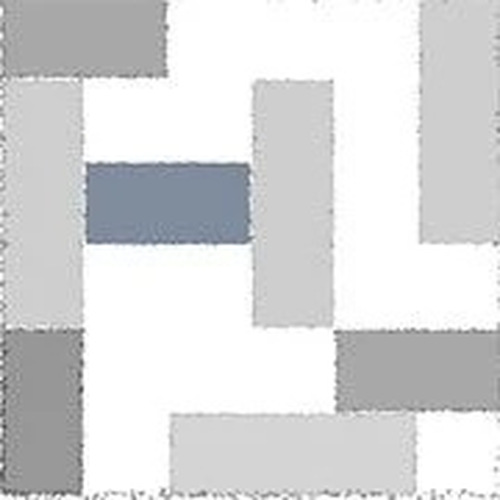
A grid-based puzzle where players slide rectangular tiles along rows and columns. The goal is to create an opening for a specific piece to exit. Each level offers a fresh arrangement that demands careful planning.
Reviews
About this game
Core Puzzle Principle
At its heart, this game presents a grid filled with rectangular blocks. Each block can only be moved forward or backward along the line it sits on. The player's objective is to manipulate these blocks so that a designated tile can reach the board's edge. This simple rule set creates a surprising depth of challenge, as each move affects the available space for other pieces.
Level Structure and Difficulty
The puzzles are arranged in a sequence that gradually introduces more complex configurations. Early levels use fewer blocks and straightforward paths, allowing newcomers to grasp the movement rules. Later stages present crowded boards where multiple pieces must be shifted in a precise order. This progression ensures a steady increase in mental demand without sudden jumps in difficulty.
Visual Design and Focus
The interface uses a clean, uncluttered layout with muted colors that do not distract from the puzzle. Blocks are clearly distinguished by color, making it easy to identify the piece that needs to exit. The lack of decorative elements or animations helps players concentrate on the logical problem at hand.
Pacing and Player Comfort
There are no countdown timers or score penalties for taking extra time. This design choice allows players to think through each move without pressure. The game suits both quick mental breaks during a busy day and longer sessions where players can immerse themselves in solving complex arrangements.
Strategic Thinking Required
Success depends on looking several moves ahead. A hasty shift can trap the target piece or block a necessary pathway. Players learn to identify which blocks are movable and which are currently pinned by others. This encourages a methodical approach where each action is considered for its long-term effect on the board.









Comments
0 comments