

Ninja Pathfinder: Classic Platformer
A side-scrolling platformer inspired by classic NES titles, where players guide a ninja through precise jumps, wall climbs, and enemy encounters to unravel a mysterious event involving an ally.
Reviews
About this game
Core Movement & Controls
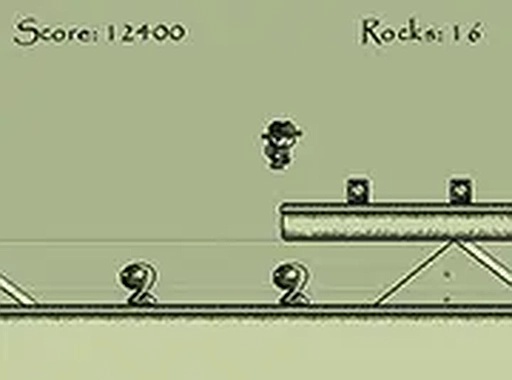
Players direct the ninja character left or right across each stage using standard directional inputs. A dedicated jump button allows for navigating platforms and avoiding obstacles. To reach elevated areas, the character can perform a wall spring by jumping toward vertical surfaces. Climbing pipes and ivy is possible by pressing up or down. Secondary items, such as throwing tools, can be deployed with a select button. The control scheme emphasizes precision and timing, rewarding players who master the rhythm of jumps and climbs.
Level Design & Progression
Each stage presents a series of platforms, obstacles, and enemies that must be navigated in sequence. The game features multiple levels with distinct visual themes and enemy types. Progression requires defeating all foes in a stage and reaching the end boss. Power-ups scattered throughout levels restore health and grant extra lives, encouraging thorough exploration. The level design balances straightforward paths with optional areas that may contain hidden items, adding replay value for completionists.
Combat & Enemy Encounters
Enemies appear at set points and follow predictable patterns, allowing players to learn their behaviors and time attacks accordingly. The ninja can strike while hanging from walls, adding a strategic layer to combat. Secondary items provide alternative attack options, useful against tougher opponents or in confined spaces. Combat is not the sole focus; many encounters can be avoided or approached with careful positioning. The challenge lies in managing both platforming and enemy threats simultaneously.
Story & Atmosphere
The narrative unfolds as players advance through levels, revealing the ninja's investigation into an ally's mysterious event. The story is delivered through brief in-game sequences, maintaining a classic adventure feel. The visual style and music evoke the era of 8-bit and 16-bit platformers, with pixel art and chiptune audio. The atmosphere is consistent with the retro genre, focusing on exploration and discovery rather than heavy exposition.
Power-Ups & Collectibles
Throughout each stage, players can collect power-ups that restore health and grant extra lives. These items are placed along main paths and in hidden alcoves, rewarding careful exploration. Secondary items, such as throwing tools, are also available and can be used strategically. The game does not feature a complex inventory system; items are used immediately or stored for later use via the select button. Collecting all power-ups in a level may unlock bonuses or achievements.
Challenge & Difficulty Curve
The game gradually increases in difficulty as players progress, introducing new enemy types and more complex platforming sections. Early levels serve as tutorials for basic mechanics, while later stages require mastery of wall springs and precise timing. The difficulty curve is steep but fair, with checkpoints placed at reasonable intervals. Extra lives are plentiful for those who explore, but losing all lives sends the player back to the start of the level. This design encourages persistence and learning from mistakes.







Comments
0 comments