

Sum Tiles to Twelve
Combine neighboring tiles with matching numbers to produce larger values. The goal is to reach a tile showing 12. Each move reshapes the board, requiring thoughtful planning. There are no timers, so you can consider each step at your own pace. This puzzle offers a gentle mental workout suitable for players of any age.
Reviews
About this game
Core Matching Concept
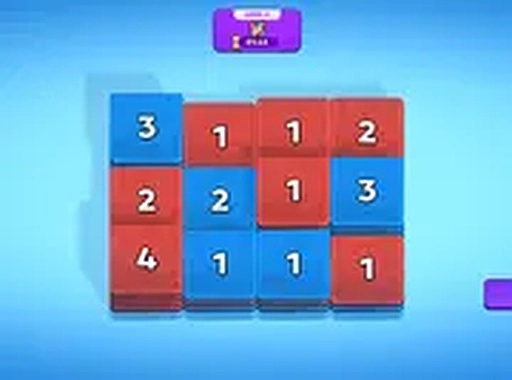
At its heart, this puzzle challenges players to identify pairs of identical numbers positioned side by side, either horizontally or vertically. Tapping or clicking on one tile and then its matching neighbor causes them to combine into a single tile with a higher value. This simple action forms the foundation of every session, yet the board constantly evolves, presenting new configurations with each merge.
Strategic Depth Without Rush
Because there is no countdown or clock, the experience encourages deliberate thinking. Players can pause between moves to survey the entire grid and consider how a particular merge might open up fresh opportunities or create obstacles. This pressure-free environment makes the game accessible to those who prefer a relaxed pace, while still offering enough complexity to engage those who enjoy planning several steps ahead.
Visual Clarity and Accessibility
The interface is designed to be clean and straightforward, with numbered tiles displayed on a simple background. Colors or subtle shading may help distinguish different tile values, making it easy to scan the board at a glance. This minimalist approach ensures that players can focus entirely on the puzzle without distractions, and the lack of complicated menus or settings means anyone can start playing immediately.
Pattern Recognition and Planning
Success often depends on recognizing how the board will shift after each merge. Experienced players learn to anticipate which numbers will appear and where, using this knowledge to set up chains of matches. Beginners can improve by practicing regularly, gradually building the ability to see multiple moves ahead. The game rewards patience and observation rather than speed.
Session Flexibility
Each round can be as short as a few minutes or extend into a longer session, depending on how quickly the player reaches the target tile. This flexibility makes it a good choice for quick breaks during a busy day or for more extended periods of focused play. The lack of a fixed endpoint or scoring pressure means players can stop at any time without penalty.





Comments
0 comments